
Introduction
Picking the perfect food for your dog is one of the most important decisions a pet parent makes. Their diet directly impacts their energy, their shiny coat, and even how long they stay happy and healthy. With so many choices out there, it's easy to get confused.
This guide is here to help you cut through the clutter. We'll explore some of the best dog food brands we expect to see making waves in 2026. More importantly, we'll teach you exactly how to read a dog food label so you can confidently choose the right nutrition for your beloved companion, no matter the brand.
Understanding what goes into your dog's bowl means you can avoid common pitfalls and make informed decisions. Let's dive in and become experts at feeding our four-legged family members the very best.
Why Reading Dog Food Labels is Crucial
Think of a dog food label as the nutrition report card for your pet's meal. It tells you everything that's inside the bag, from the main ingredients to the tiny vitamins. Without knowing how to read it, you're essentially buying food blind.
A good label helps you understand if the food offers complete and balanced nutrition for your dog's age and activity level. It also helps you spot potential allergens or ingredients you might want to avoid. This skill is vital for every dog owner.
Learning to interpret these labels empowers you to make healthier choices for your dog. It moves you from just grabbing any bag off the shelf to thoughtfully selecting the best option for their unique needs. Let's unlock the secrets of these important labels together.
Decoding the Ingredient List: What to Look For
The ingredient list on a dog food bag is usually found on the back or side. Ingredients are always listed by weight, starting with the heaviest. This means the first few items make up the bulk of the food.
Look for a high-quality protein source as the first or second ingredient. This could be something like chicken, beef, lamb, or fish. Whole meats are generally preferred over meat meals or by-products, although a good quality meat meal can still be valuable.
Healthy carbohydrates provide energy, and good sources include sweet potatoes, brown rice, barley, or oats. Avoid excessive corn, wheat, or soy if your dog has sensitivities or allergies. Healthy fats are also essential, so look for sources like chicken fat, flaxseed, or fish oil.
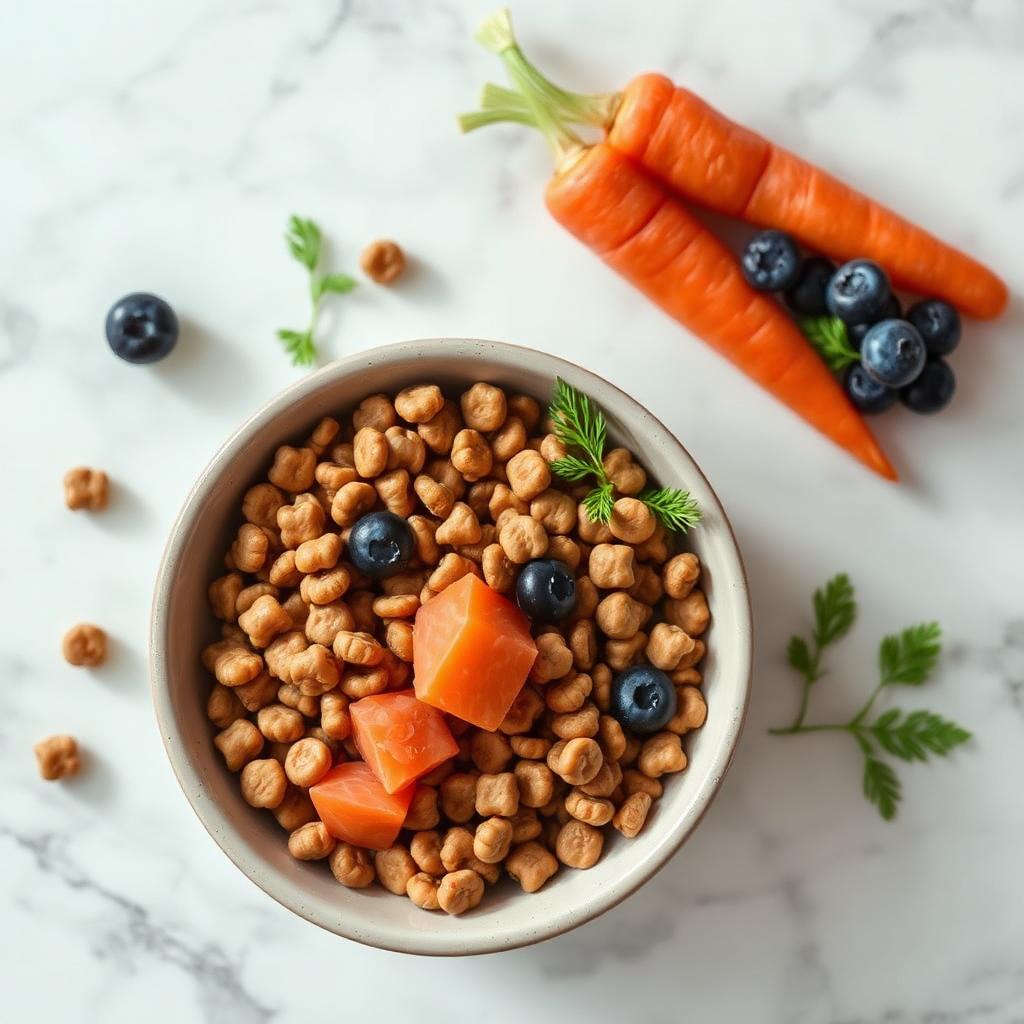
Fruits and vegetables add important vitamins, minerals, and antioxidants. Ingredients like blueberries, carrots, spinach, and apples are excellent additions. Pay attention to the order and variety of these components to assess the overall quality of the formula.
Understanding the Guaranteed Analysis and Nutritional Adequacy Statement
The Guaranteed Analysis tells you the minimum percentages of crude protein and crude fat, and the maximum percentages of crude fiber and moisture. While these are minimums and maximums, they give you a general idea of the food's nutritional profile. Higher protein and moderate fat are often desirable.
Crude fiber aids digestion, and moisture content affects how much nutritional punch is in each bite. For example, wet food has more moisture and therefore less dry matter nutrition per serving than kibble. Comparing wet and dry foods requires looking at 'dry matter basis' values.
Equally important is the 'Nutritional Adequacy Statement,' usually found near the Guaranteed Analysis. This statement confirms the food meets the nutritional levels established by the AAFCO (Association of American Feed Control Officials). It will specify if the food is formulated for 'all life stages,' 'growth,' 'maintenance,' or 'large breed puppies,' among other categories. Always choose a food appropriate for your dog's life stage.
Spotting Red Flags and Unnecessary Fillers
Some ingredients found in dog food offer little nutritional value and are often used as cheap fillers. Be wary of 'by-products' and generic 'meat meal' if they are high on the ingredient list without further specification. Generic animal fat is also less ideal than identified fat sources.
Artificial colors, flavors, and preservatives are often unnecessary and can sometimes cause sensitivities in dogs. Look for natural preservatives like mixed tocopherols (Vitamin E) or rosemary extract. Sugars and sweeteners are also not needed in dog food and can contribute to weight gain and dental issues.
Vague terms like 'animal digest' or unidentified grains should raise an eyebrow. A reputable brand will be transparent about every ingredient. If you don't recognize an ingredient or it sounds like a chemical, it's worth researching what it is and why it's there.
Top Considerations for Choosing the Best Dog Food Brands in 2026
Beyond just reading labels, consider a brand's overall reputation and commitment to quality. Look for brands that conduct extensive research and development, have their own manufacturing facilities, and perform rigorous quality control testing. Transparency about sourcing ingredients is a huge plus.
Think about your dog's specific needs. Is your dog a puppy, an adult, or a senior? Do they have allergies, a sensitive stomach, or specific breed requirements? Many top brands offer specialized formulas to address these conditions.
Veterinarian recommendations can also be invaluable. Your vet understands your dog's health history and can guide you toward suitable options. Asking for their input ensures you get expert advice tailored to your pet. Always introduce new foods slowly to avoid upsetting your dog's digestive system.
Understanding Different Food Formats: Dry, Wet, Raw, and Fresh
Dog food comes in various forms, each with its own benefits. Dry kibble is convenient, cost-effective, and helps maintain dental hygiene by scrubbing teeth. It's great for most adult dogs and can be easily stored.
Wet food offers higher moisture content, which can be beneficial for hydration and picky eaters. It's often more palatable but can be more expensive and has a shorter shelf life once opened. Many owners combine wet and dry food.
Raw food diets consist of uncooked meat, bones, and organs. Proponents believe it mimics ancestral diets, but it requires careful handling to prevent bacterial contamination. Freshly prepared dog food, often from subscription services, is gently cooked and nutritionally complete. This option offers high palatability and controlled ingredients, but it can be pricey.
Each format has unique pros and cons. The 'best' type often depends on your dog's health, your budget, and your lifestyle. Research and consult your vet before making significant dietary changes, especially for raw or fresh options.
Frequently Asked Questions
Q: What exactly does 'human-grade' mean on a dog food label? A: 'Human-grade' means all the ingredients in the food are fit for human consumption. It implies higher quality control and ingredient sourcing, often found in fresh or boutique dog food brands. However, it doesn't automatically mean it's nutritionally superior to AAFCO-compliant pet food.
Q: How do I know if my dog's food has enough protein? A: Look at the Guaranteed Analysis section for 'Crude Protein (min).' For most adult dogs, a minimum of 18-25% crude protein is a good starting point, though highly active dogs might need more. The source of the protein (meat, poultry, fish) is also crucial.
Q: Are grain-free diets better for all dogs? A: No, grain-free diets are not inherently better for all dogs. Unless your dog has a diagnosed grain allergy or sensitivity, grains provide valuable nutrients and fiber. Recent studies have even suggested potential links between grain-free diets and certain heart conditions in some breeds, so consult your vet before opting for grain-free.
Q: How often should I change my dog's food? A: If your dog is thriving on their current food and showing no signs of issues, there's no need to change it frequently. If you need to switch due to age, health concerns, or a brand discontinuing a formula, do so slowly over 7-10 days to avoid stomach upset.
Q: What if my dog is a picky eater? A: For picky eaters, try rotating protein sources or adding a small amount of wet food or a healthy topper to their kibble. Ensure they aren't getting too many treats, which can spoil their appetite for meals. Rule out any underlying medical conditions with a vet visit first.
Key Takeaways
Reading dog food labels is an essential skill for any responsible pet parent. Prioritize quality protein sources and appropriate nutritional adequacy statements.
Be cautious of fillers, artificial additives, and generic ingredients. Always consider your dog's age, breed, and health requirements when choosing food.
Consult your veterinarian for personalized dietary advice. Trusting reputable brands that prioritize research and quality control is always a good strategy.
The best dog food brands for 2026 will continue to offer balanced, high-quality nutrition tailored to diverse canine needs. Empower yourself to make educated choices.
Conclusion
Navigating the world of dog food can seem complicated, but with the right knowledge, you can make excellent choices for your furry friend. By understanding how to read labels, identify quality ingredients, and choose reputable brands, you're setting your dog up for a lifetime of good health.
Remember, your dog relies on you to make these important decisions. Invest a little time in learning about their nutrition, and you'll be rewarded with a vibrant, happy, and energetic companion. Here's to many more years of joyful wagging tails and healthy, delicious meals!