
Introduction
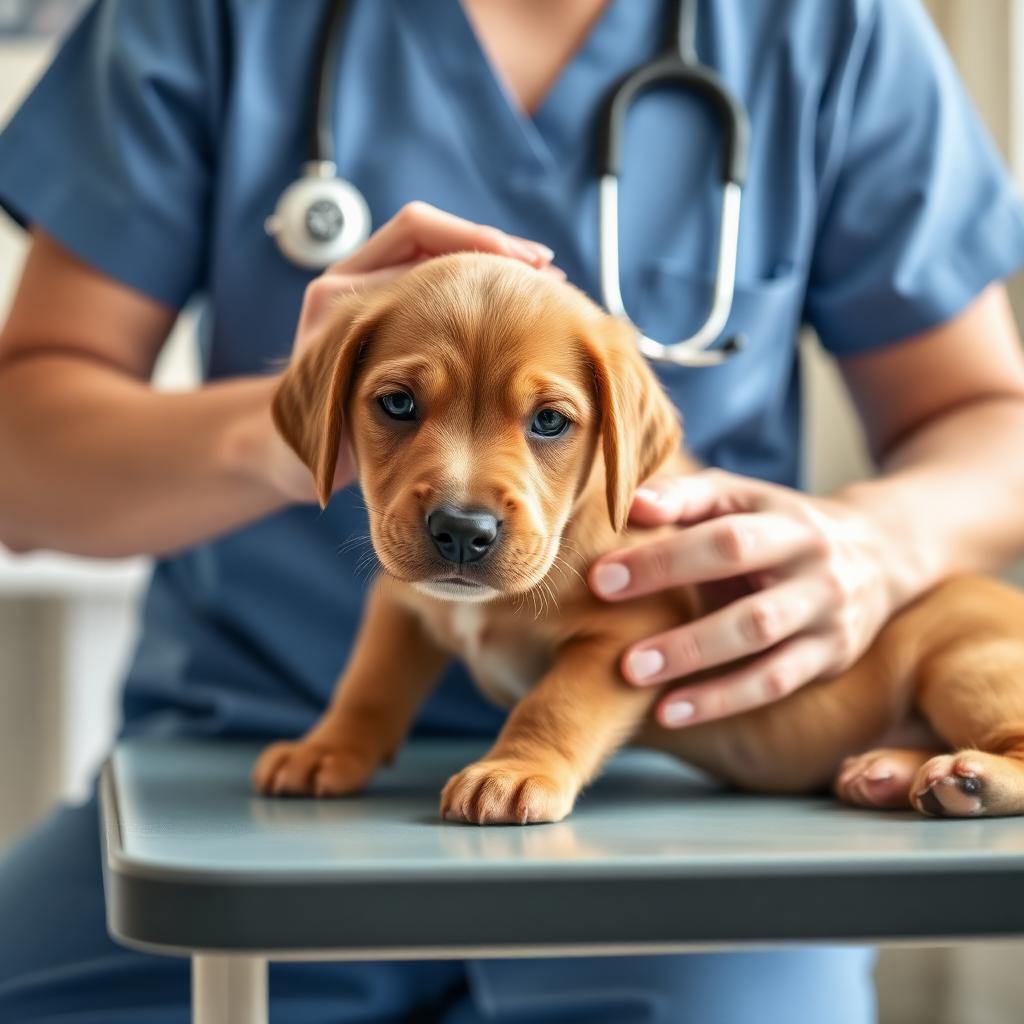
Bringing a new puppy home or caring for an adult dog is a joyful experience. Just like people, dogs need protection from a variety of illnesses. This is where vaccinations come in. They are a big part of responsible pet ownership because they help keep your furry friend safe and healthy.
Think of vaccines as tiny trainers for your dog's immune system. They teach the body how to fight off serious diseases without actually getting sick. This guide will walk you through everything you need to know about dog vaccinations, from what shots are absolutely necessary to when they should be given.
We'll cover puppy vaccination schedules, important shots for adult dogs, and even talk about optional vaccines based on your dog's lifestyle. Understanding these things will help you make the best health decisions for your beloved companion. A well-vaccinated dog is a happier, healthier dog.
Why Vaccinations Are So Important for Your Dog
Vaccinations play a crucial role in preventing many dangerous and sometimes deadly diseases in dogs. These diseases, like rabies or canine distemper, can spread easily between dogs and can be very difficult or impossible to treat once your dog gets them.
By vaccinating your dog, you're not just protecting them, but you're also helping to protect other dogs in your community. When a lot of dogs are vaccinated, it creates 'herd immunity,' making it much harder for diseases to spread. This is especially helpful for very young puppies or older dogs who might have weaker immune systems.
Missing vaccinations can leave your dog vulnerable to serious health problems and expensive veterinary bills. Prevention is always better, and much less costly, than trying to cure a severe illness. Regular vaccinations are a small but mighty act of care for your best friend.
Core Vaccinations: The Must-Haves for Every Dog
There are certain vaccinations that veterinarians consider 'core' vaccinations. These are strongly recommended for all dogs, regardless of where they live or their lifestyle, because the diseases they protect against are widespread, severe, and highly contagious. These core dog vaccines form the foundation of your dog's immunity.
The most important core vaccines protect against Rabies, Distemper, Adenovirus (Hepatitis), and Parvovirus. Often, Distemper, Adenovirus, and Parvovirus are combined into one shot, commonly called the 'DA2PP' or 'DAPP' vaccine. Sometimes, another component for Parainfluenza is added, making it 'DHPP' or 'DA2PPV'.
Rabies is a deadly viral disease that can affect all warm-blooded animals, including humans. It's almost always fatal once symptoms appear, and vaccination is legally required in many places. Distemper is a serious multi-systemic illness. Adenovirus causes infectious hepatitis, affecting the liver. Parvovirus is highly contagious and causes severe vomiting and diarrhea, especially in puppies.
These core vaccinations are essential for building strong, lasting immunity in your dog. Your vet will establish an initial puppy vaccination schedule and then recommend booster shots for adult dogs to keep them protected throughout their lives.
Non-Core Vaccinations: Tailoring Protection to Your Dog's Lifestyle
Besides the core vaccinations, there are 'non-core' vaccines. These are recommended based on your dog's exposure risk, which depends on their lifestyle, geographic location, and how much they interact with other animals. Your veterinarian will help you decide which non-core vaccines are right for your dog.
One common non-core vaccine is for Bordetella bronchiseptica, often known as 'kennel cough.' This is recommended for dogs that frequently interact with other dogs, such as those going to doggy daycare, boarding kennels, dog parks, or obedience classes. Leptospirosis is another important non-core vaccine, especially for dogs who spend time outdoors in rural areas, near standing water, or around wildlife.
The Lyme disease vaccine is for dogs living in or traveling to areas where ticks carrying the disease are common. Canine Influenza (dog flu) vaccines are also available for dogs at high risk of exposure, like those who travel a lot or participate in dog shows. Canine coronavirus vaccine is another non-core option, though it's less commonly recommended than the others.
Discuss your dog's daily activities and environment with your vet. They can accurately assess the risks and build a personalized vaccination plan for them. This tailored approach ensures your dog gets the specific protection they need without unnecessary shots.
Understanding the Puppy Vaccination Schedule
Puppies are born with some protection from their mother's milk, called maternal antibodies. However, this protection fades over time, usually by 6-8 weeks of age. This is why a series of puppy vaccinations is so important to gradually build up their own strong immunity.
The typical puppy vaccination schedule involves a series of shots, usually starting around 6-8 weeks of age. These initial shots are then repeated every 3-4 weeks until the puppy is about 16 weeks old. This schedule ensures that your puppy develops full protection as their maternal antibodies decrease.
For example, a common schedule might be: first DHPP vaccine at 8 weeks, second DHPP at 12 weeks, and a final DHPP at 16 weeks. The Rabies vaccine is usually given once around 12-16 weeks of age, depending on local laws. Your vet might also recommend a Bordetella shot early on, especially if your puppy will be socializing.
It's crucial to complete the entire puppy series; skipping a shot can leave your puppy vulnerable to disease. Your vet will provide a precise schedule and advise on when your puppy is safe to socialize fully after their final puppy shots.
Adult Dog Vaccinations and Booster Shots
Once your dog has completed their initial puppy vaccination series, they aren't done for life. Adult dogs still need regular booster shots to maintain their protective immunity. The frequency of these boosters varies depending on the vaccine type and your vet's recommendations.
Many core vaccines, like the DHPP, are often given every three years after the initial puppy series and one-year booster. Rabies vaccine boosters can be given annually or every three years, again depending on the specific vaccine used and local regulations. It's important to keep track of these dates.
Non-core vaccines, such as Bordetella or Leptospirosis, usually require annual boosters because the immunity they provide doesn't last as long. Your vet will keep detailed records of your dog's vaccination history and send you reminders when booster shots are due. Staying on schedule is key to continuous protection.
Even if your adult dog seems healthy, vaccines are a proactive measure. Don't wait until there's an outbreak to get them protected. Consistent vaccination throughout their adult life is a cornerstone of preventative health care.
Potential Side Effects and What to Expect
It's normal for dogs to experience some mild side effects after vaccination, just like people do. These reactions are usually temporary and indicate that your dog's immune system is responding to the vaccine as it should. Your vet can explain what to watch for.
Common mild side effects include a little soreness or swelling at the injection site, mild fever, decreased appetite, and being a bit lethargic or tired for a day or two. Some dogs might also have mild sneezing if they received an intranasal (nose drop) vaccine, like for kennel cough. These usually resolve on their own.
More serious reactions are rare but can occur. These might include allergic reactions, such as facial swelling, hives, vomiting, diarrhea, difficulty breathing, or collapse. If you notice any of these severe signs, contact your veterinarian immediately. They are prepared to handle such emergencies.
Always stay at the vet clinic for a short time after your dog receives a vaccine, especially if it's their first time getting that particular shot. This allows immediate help if a rare severe reaction happens. Don't hesitate to call your vet if you're concerned about any symptoms your dog is showing after a vaccine.
How to Best Prepare for Your Dog's Vaccination Appointments
Getting ready for your dog's vaccine appointment can make the visit smoother for everyone. A calm approach helps your dog feel more at ease. Knowing what to expect also helps you ask the right questions.
Before your appointment, make a list of any questions or concerns you have for your vet. Try to bring any previous vaccination records if you're visiting a new clinic. This helps the vet understand your dog's history and plan. Remember to ask about the specific vaccines your dog is receiving.
Make sure your dog is properly restrained for the visit, whether in a carrier or on a leash. Bring some of their favorite treats to help create a positive association with the vet's office. A walk or playtime before the appointment can also help burn off some energy, making them calmer.
After the appointment, plan for a quiet day at home. Avoid strenuous activity or intense play right after vaccinations. Offer them comfort and attention, and keep an eye out for any mild side effects. Your care helps them recover quickly and happily.
Frequently Asked Questions
Q: Can my indoor-only dog skip vaccinations? A: It's generally not recommended to skip core vaccinations, even for indoor-only dogs. Diseases like Rabies or Distemper can still be a risk, as bats or other animals carrying the virus could potentially get into your home, or your dog might have an unexpected encounter outside. Your vet can help assess the specific risks.
Q: What if I adopted an adult dog with unknown vaccination history? A: If you adopt an adult dog with an unknown history, your vet will likely recommend starting a new series of core vaccinations. Blood tests, called titers, can sometimes be done to check for existing immunity, but often, it's safer and less expensive to just re-vaccinate.
Q: Are there any alternatives to traditional vaccines? A: While vaccinations are the most effective way to protect against most diseases, vaccine titers can show if your dog has enough antibodies to be protected against some diseases like Distemper and Parvovirus. If titers show sufficient immunity, your vet might suggest delaying a booster. However, titers don't replace the legal requirement for Rabies shots in most areas.
Q: How long does immunity from vaccines last? A: The duration of immunity varies greatly depending on the specific vaccine. Some provide protection for just one year, like most non-core vaccines, while others, like certain core vaccines, can protect for three years or even longer. Your vet will follow guidelines to ensure your dog is protected.
Q: Can my dog get sick from a vaccine? A: Vaccines expose your dog to a very small, weakened, or inactive version of a virus or bacteria. This allows their immune system to learn to fight it without getting the full-blown disease. Mild, temporary symptoms are normal and show the vaccine is working, but your dog cannot 'catch' the disease from the vaccine itself.
Key Takeaways
Vaccinations are vital for protecting your dog from many serious and potentially fatal diseases.
Core vaccines (Rabies, Distemper, Parvovirus, Adenovirus) are essential for all dogs.
Non-core vaccines are tailored to your dog's lifestyle and risk of exposure.
Puppies require a series of vaccinations to build strong immunity.
Adult dogs need regular booster shots to maintain their protection.
Mild side effects are common and usually resolve quickly; severe reactions are rare.
Always consult your veterinarian to create the best, personalized vaccination plan for your dog.
Conclusion
Vaccinating your dog is one of the most important ways you can ensure their long-term health and well-being. It's a fundamental part of responsible pet ownership, offering protection not just to your dog but also to the wider canine community. By understanding the different types of vaccines and following a recommended schedule, you are giving your furry friend the best possible start and continued healthy life.
Always remember that your veterinarian is your best resource for all things related to your dog's health. They can provide personalized advice based on your dog's unique needs, lifestyle, and local disease prevalence. Don't hesitate to ask them questions and work together to keep your dog happy and, most importantly, healthy for many years to come. A little shot goes a long way in safeguarding your loyal companion.