
Introduction
Are you dreaming of having a furry friend but worried your small apartment or busy schedule won't allow it? Good news! Many dog breeds are perfectly suited for urban living and owners with dynamic routines. The key is knowing what to look for in a canine companion for your specific situation.
Choosing the right dog breed is important for both your happiness and the dog's well-being. This guide will help you understand which traits make a dog a good fit for apartment life and busy people. We will explore various breeds that thrive in smaller spaces and don't require endless hours of intense exercise.
We'll cover everything from their energy levels and grooming needs to how much noise they tend to make. Finding the perfect match will make your life easier and ensure your new best friend is happy and healthy. Let's dive in and discover the best dog breeds for small apartments and busy owners.
What Makes a Dog Apartment-Friendly and Good for Busy Owners?
Not all dogs are created equal when it comes to living in a small space or adapting to a busy lifestyle. Several key characteristics make certain breeds better choices. Understanding these traits will guide your decision-making process.
Firstly, a lower energy level is crucial. Dogs that need to run for hours every day will quickly become bored and destructive in an apartment. Secondly, size matters, but it's not the only factor. A calm large dog can sometimes be better than a hyper small dog.
Quietness is another huge plus for apartment dwellers. Excessive barking can lead to complaints from neighbors, making life stressful for everyone. Look for breeds known for being less vocal. Finally, adaptability and a moderate need for grooming are also important considerations for busy individuals. You want a dog that can adjust to your schedule and doesn't require constant professional care.
Top Small Dog Breeds for Compact Living
When it comes to small apartment dogs, there are many fantastic choices. These pint-sized pups often have lower exercise needs and are content with cozy indoor living. They are also easier to transport and less likely to accidentally knock things over in a tight space.
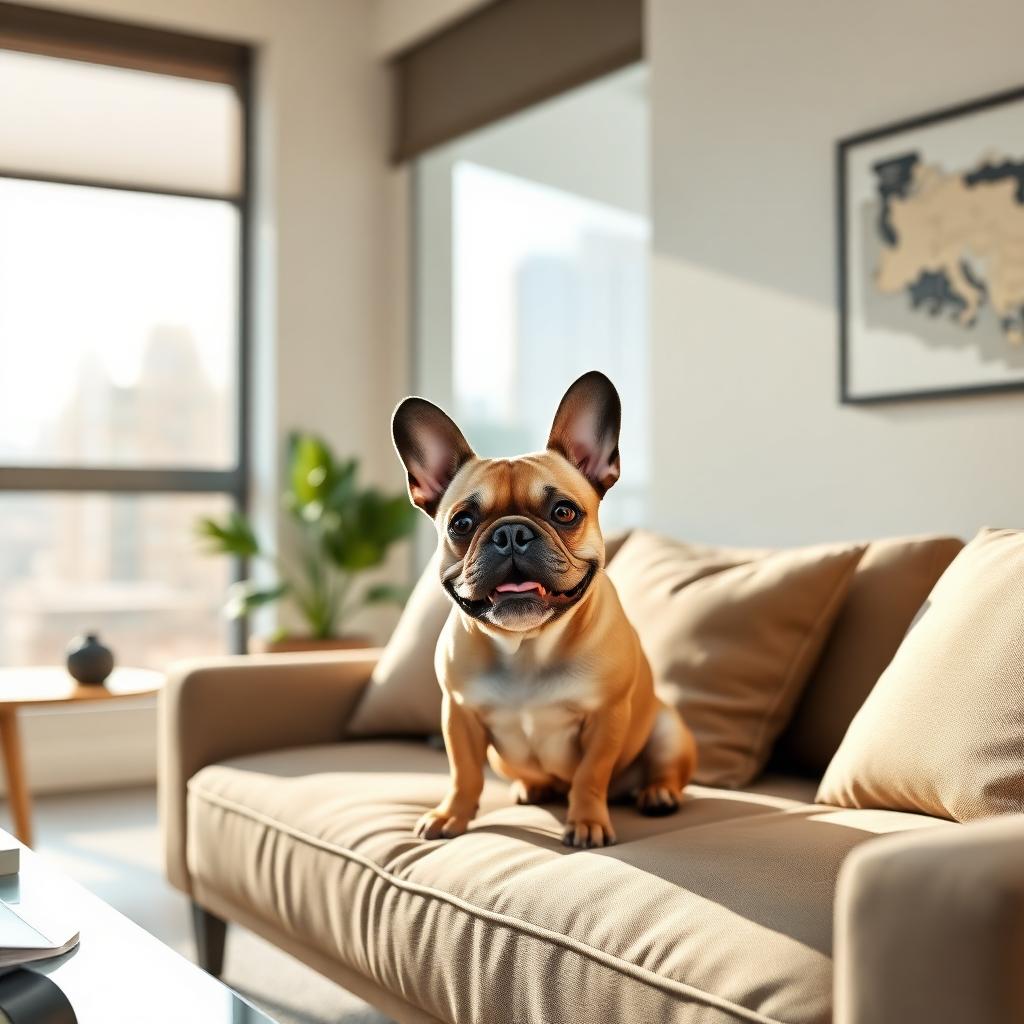
The **French Bulldog** is a prime example. They are charming, relatively quiet, and only need short daily walks. Their playful yet easygoing nature makes them wonderful companions. Another popular choice is the **Pug**, known for being adaptable and affectionate. Pugs love to cuddle and don't need much exercise, making them perfect apartment dwellers.
**Cavalier King Charles Spaniels** are sweet, gentle, and eager to please. They are happy to relax on the couch but also enjoy short strolls. Their calm demeanor makes them an excellent fit for quiet homes. The **Shih Tzu** is another small breed that thrives indoors. They are affectionate lapdogs who are content with playtime and moderate grooming.
For those seeking a smaller, fluffy companion, the **Bichon Frise** is a great option. They are cheerful and outgoing, but their exercise needs are easily met with indoor play and short outdoor excursions. Remember, even small dogs need training and socialization to be well-behaved apartment residents.
Medium and Larger Breeds That Surprise You With Their Apartment Suitability
It's a common misconception that all large dogs are unsuitable for apartments. Some larger breeds are surprisingly calm and have lower energy needs than you might expect. Their larger size might intimidate, but their temperament often makes them excellent apartment companions.
The **Greyhound** is a fantastic example. Despite being known as racing dogs, retired Greyhounds are often called '45 mph couch potatoes.' They love to sprint for a short time but are otherwise very calm and enjoy lounging. They are gentle, quiet, and make surprisingly wonderful apartment dogs.
Another surprising contender is the **Basset Hound**. These dogs are known for their long, droopy ears and mellow personalities. While they enjoy a sniff-filled walk, they are generally low-energy indoors and prone to napping. Their relaxed nature makes them good apartment buddies, though they can be a bit vocal with their baying.
The **Bulldog** (English Bulldog) is another medium-sized breed that fits well into apartment life. They are famously laid-back, affectionate, and require minimal exercise. A short walk and some indoor play are usually enough to keep them happy. They are generally quiet and prefer a comfortable spot to snooze. These breeds prove that size isn't the only factor when choosing a happy apartment dog.
Low-Maintenance Dog Breeds for Busy Lifestyles
If your work schedule is packed or you travel frequently, a low-maintenance dog breed can be a lifesaver. This often translates to breeds with simpler grooming needs, lower exercise requirements, and an adaptable temperament.
The **Basenji** is a unique choice often described as a 'barkless dog.' They are independent and fastidious about their cleanliness, almost like a cat. While they do have energy, their exercise needs can often be met with vigorous playtime and walks. They are intelligent and generally quiet, making them good for busy yet attentive owners.
Another great option is the **Chihuahua**. These tiny dogs are fiercely loyal and, despite their small size, can be very independent. Their exercise needs are easily met through indoor play and short trips outside. They are also relatively easy to groom. However, they do benefit from training to prevent excessive yapping.
The **Boston Terrier** is another short-haired breed that requires minimal grooming. They are intelligent, happy-go-lucky, and enjoy being part of the family without demanding constant activity. They are playful but content with moderate exercise, making them ideal for busy owners who can commit to some daily interaction and walks.
Minimal grooming and a generally calm disposition are hallmarks of these low-maintenance breeds. They offer companionship without requiring a huge time commitment for daily specific needs. Just remember that 'low maintenance' doesn't mean 'no maintenance'; all dogs need love, care, and attention.
Training and Socialization: Key to Apartment Success
No matter the breed, proper training and socialization are vital for any dog living in an apartment, especially for busy owners. A well-behaved dog is a happy dog and a good neighbor. Early training helps establish good habits and prevents common behavioral issues.
Crate training can be incredibly beneficial for apartment dogs. A crate provides a safe, personal space for your dog and can help with house-training. It also gives them a den to retreat to when you're busy or when guests are over. Positive reinforcement methods work best for teaching commands and good manners.
Socialization is equally important. Exposing your dog to various sights, sounds, people, and other dogs from a young age helps them become confident and well-adjusted. This reduces anxiety and reactivity, which can be particularly disruptive in an apartment setting. Even independent breeds benefit from this exposure.
Consistent training helps manage barking, prevents destructive chewing, and ensures your dog is comfortable being left alone for reasonable periods. It creates a harmonious living environment for both of you. A little time invested in training goes a long way in ensuring your apartment dog is a joy, not a challenge.
Enriching Your Apartment Dog's Life
Even low-energy dogs in small spaces need mental stimulation and engagement. Enrichment activities are crucial for preventing boredom, which can lead to unwanted behaviors. Busy owners can integrate these easily into their daily routines.
Puzzle toys are an excellent way to keep your dog's mind active. These toys dispense treats as your dog solves a simple problem, providing entertainment and a reward. Chewing is a natural dog behavior, so providing appropriate chew toys can satisfy this need and save your furniture.
Short, regular training sessions throughout the day also offer mental stimulation. Practicing commands or teaching new tricks keeps their brain engaged. Even just five to ten minutes a few times a day can make a big difference. This also strengthens your bond.
Consider rotating toys to keep things fresh and exciting. A new toy every few weeks can reignite their interest. When you are home, dedicated playtime, even if it's just tug-of-war or fetch in the living room, is invaluable. These simple steps ensure your apartment-dwelling canine stays happy and mentally engaged.
Frequently Asked Questions
Q: Can I get a medium or large dog if I live in a studio apartment? A: Yes, but it depends heavily on the breed's temperament and energy level. Calm, low-energy breeds like Greyhounds or Basset Hounds can do well, even in smaller spaces, if they get proper outdoor exercise and mental stimulation. Size is less important than activity level.
Q: How much exercise does an apartment dog need? A: This varies by breed. Low-energy small dogs might be content with two 15-minute walks and indoor play. Others, like former racing Greyhounds, might enjoy a quick sprint but are otherwise happy lounging. Always research the specific breed's requirements, but generally, apartment dogs need moderate daily activity.
Q: What if I work long hours? How can I ensure my dog is happy? A: For busy owners, consider hiring a dog walker, using doggy daycare a few times a week, or asking a trusted friend or family member to visit. Enrichment toys and consistent training can also help prevent loneliness and boredom while you're away.
Q: Are certain dog breeds too vocal for apartment living? A: Yes, some breeds are more prone to barking or howling, which can be an issue in apartments. Beagles, some Terriers, and Siberian Huskies can be quite vocal. Breeds like French Bulldogs, Greyhounds, and Cavalier King Charles Spaniels are generally known for being quieter.
Q: What's the biggest challenge with owning a dog in a small apartment? A: The primary challenges are often managing barking, ensuring adequate exercise and mental stimulation, and dealing with potty breaks. Consistent training, a good daily routine, and enrichment activities are key to overcoming these hurdles.
Key Takeaways
Choosing the right dog breed for small apartments and busy owners means focusing on temperament, energy levels, and adaptability, not just size.
Many small breeds like French Bulldogs, Pugs, and Cavalier King Charles Spaniels are excellent choices due to their lower exercise needs and affectionate nature.
Surprisingly, some medium to large breeds such as Greyhounds and Bulldogs can thrive in apartments if they have a calm disposition and moderate activity requirements.
Low-maintenance breeds like Basenjis and Boston Terriers are great for busy individuals, offering companionship without requiring constant intense care or grooming.
Proper training, socialization, and mental enrichment are crucial for any apartment dog's happiness and good behavior, regardless of their breed.
Always research specific breed needs and consider your lifestyle carefully before bringing a new furry family member into your home.
Conclusion
Finding the perfect dog doesn't have to be a daunting task, even if you live in a small apartment or have a busy schedule. By focusing on traits like low energy, a quiet nature, and adaptability, you can welcome a wonderful canine companion into your life. The breeds we've discussed offer a fantastic starting point for your search.
Remember, every dog is an individual, and proper training and consistent care are essential for any pet. A happy dog makes a happy home, regardless of its size or your living space. With careful preparation and the right breed, you can enjoy all the love and joy a dog brings.
So go ahead, explore these fantastic dog breeds for small apartments and busy owners. With the right choice, you'll soon find your perfect furry match, ready to share cozy evenings and urban adventures with you. Your ideal companion is out there, waiting to make your small space feel like a grand palace of love.