
Introduction
Bringing a new puppy home is exciting! You are embarking on a wonderful journey of companionship and fun. One of the best early lessons you can teach your new furry friend is how to love their crate.
Crate training a puppy might sound sad to some, but it's actually a super helpful tool for many reasons. A crate becomes your puppy's cozy den, a safe retreat where they can feel secure. It's also incredibly useful for house training and preventing mischievous chewing when you can't watch them.
The good news is you can teach your puppy to love their crate without a lot of sad crying. We want their crate to be a happy place, not a scary one. This guide will walk you through kind, gradual steps to make crate training a positive experience for everyone.
Forget the old ways of just putting a puppy in and letting them cry it out. We will focus on building good memories and trust. Your puppy will learn that their crate is a wonderful spot to relax, eat, and sleep comfortably.
Choosing the Right Crate and Location
The first step to successful crate training is picking the right home for your puppy. A crate should be just big enough for your puppy to stand up, turn around, and lie down comfortably. If it's too large, they might use one end as a bathroom, which defeats the purpose of house training.
Many crates come with dividers, which are super handy. You can adjust the size as your puppy grows, saving you from buying multiple crates. Make sure the crate is sturdy and safe, without any sharp edges.
Where you put the crate matters a lot! Place it in a living area where your family spends a lot of time. This helps your puppy feel like part of the pack, not isolated. The kitchen, living room, or a busy hallway are often good spots.
Avoid putting the crate in a cold, lonely, or noisy basement. You want your puppy to feel connected and secure, even when they're inside. Make sure the area is not too hot or too cold, and is free from drafts.
Making the Crate an Inviting Den
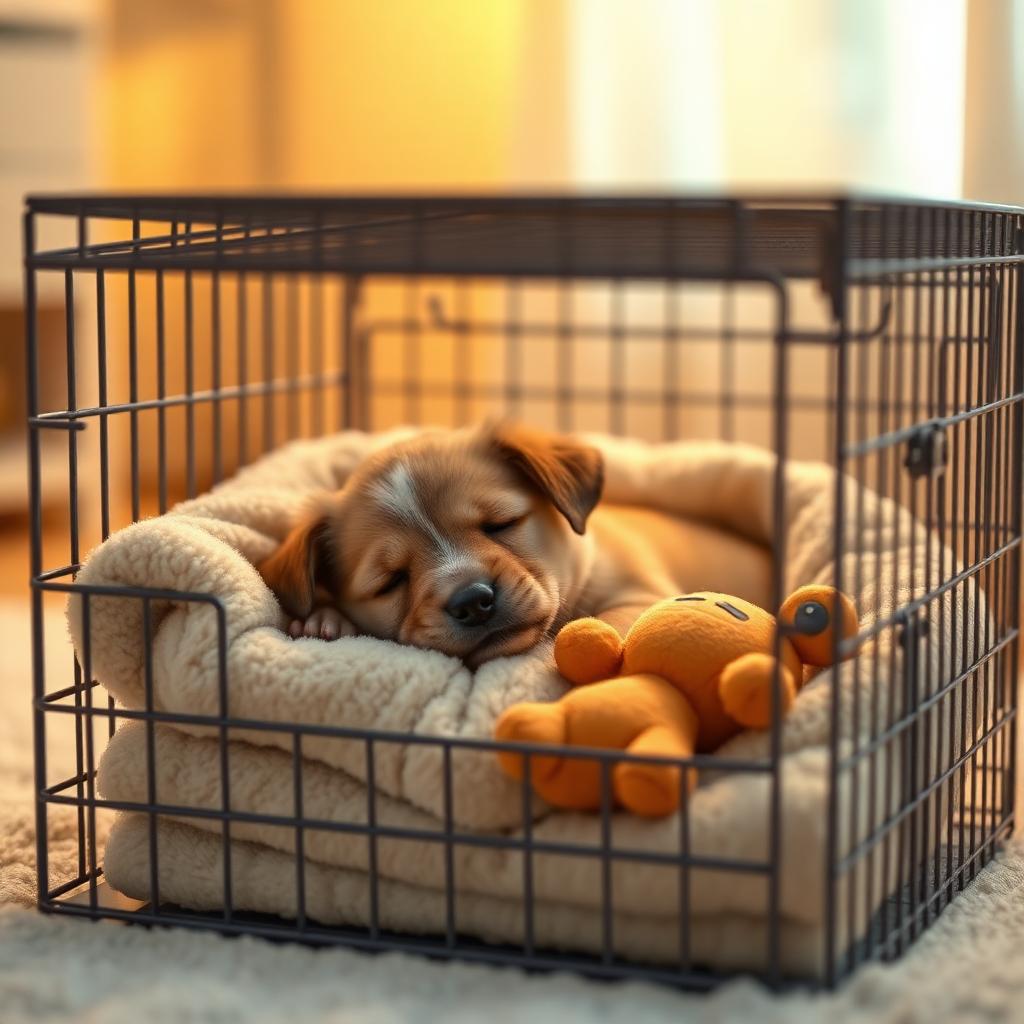
A bare metal box doesn't look very comfy to anyone. Let's make your puppy's crate a luxurious, inviting den! Start by putting a soft, washable bed or blanket inside. Make sure it's something your puppy can't easily chew up and swallow.
Toss in some exciting, safe toys that your puppy loves. Chew toys are especially good, as they keep your puppy busy and happy. A KONG toy filled with a tasty, frozen treat like peanut butter or plain yogurt can be a true crate-changer.
You can also drape a light blanket or crate cover over part of the crate. This creates a cozy, den-like atmosphere, making it feel more private and secure. Imagine a little cave where your puppy can feel safe and hidden.
Some puppies love having a shirt that smells like you inside the crate. Your scent can be very comforting and help them feel less alone. Remember, the goal is to make the crate the best place ever!
Introduction: Positive First Impressions , No Pressure!
The very first introductions to the crate should be super positive and completely low-pressure. Think of it as a fun new discovery for your puppy, not a command. Always leave the crate door open during these early steps.
Start by simply placing treats and toys just outside the crate, then gradually move them closer to the opening. Let your puppy walk in on their own terms, sniffing and exploring. Never push or force your puppy inside.
Once your puppy is comfortable sniffing around the entrance, start tossing treats inside the crate. Make it a fun game! Let them go in, grab the treat, and come right back out. Do this a few times a day.
Praise your puppy gently whenever they show interest in the crate or go inside. Use a happy, encouraging voice. The more positive experiences they have early on, the better their association with the crate will be.
Luring and Rewarding: Building Confidence Inside
Once your puppy is happily going in and out for treats, it's time to build their confidence staying inside. Use a yummy treat to lure them all the way into the back of the crate. As soon as they are fully inside, give them the treat and lots of praise.
Try feeding your puppy their meals inside the crate. Start with the food bowl just inside the door, then gradually move it further back. This makes every meal a positive experience linked to the crate. Keep the door open initially.
After a few successful meal times with the door open, try closing the door for just a few seconds while they are eating. Open it before they finish. Gradually increase the time the door is closed, always making sure your puppy is calm and happy.
If your puppy starts to whine or get anxious, you've gone too fast. Open the door calmly (but don't reward the whining) and go back a step. The key is short, positive sessions and never pushing them past their comfort level.
Longer Stays and Overnight Success
Once your puppy is comfortable with the door closed for a minute or two, you can start practicing longer stays. Give them a special, long-lasting chew toy or a frozen KONG when they go into the crate. This keeps them happily occupied.
Start leaving the room for short periods while your puppy is in the crate. Come back before they get anxious. Slowly increase the time you are out of sight. Remember to praise them quietly when you return, but avoid making a big fuss.
For nighttime, establish a routine. Take your puppy out for a final potty break right before bed. Give them a comforting treat or a special toy in their crate. Put the crate near your bed at first, so they can hear and smell you.
If your puppy cries at night, try to figure out why. Do they need to potty? Are they truly scared? Often, a gentle touch or a soft word can reassure them. Avoid letting them out immediately if they are just fussing, as this teaches them that crying gets them attention.
Most puppies will eventually settle down. If crying persists, ensure they are not too hot or cold, have no medical issues, and aren't left for too long. Gradual increases in time will lead to peaceful nights.
Troubleshooting: When Crying Happens
Despite your best efforts, some crying might happen, especially in the very beginning. It's okay. The most important thing is how you respond. Crying doesn't always mean your puppy hates the crate; sometimes, it means they need something.
First, rule out basic needs: Does your puppy need to go potty? Puppies have tiny bladders. If they haven't been out in a while, take them out calmly. Bring them right back to the crate afterward.
Next, ensure they aren't hungry, thirsty, too hot, too cold, or in pain. Check for any obvious discomforts. Sometimes, a quick physical check can solve the mystery.
If all needs are met and the crying is just fussiness, try to ignore it for a moment. If you immediately let them out, you might teach them that crying is the way to get released. This can be tough, but consistency is key.
If the crying is extreme or prolonged, you have moved too fast. Go back to shorter crate times and more positive reinforcement. You can also try sleeping near the crate for a few nights to provide comfort. Remember, patience is your best tool.
Frequently Asked Questions
Q: How long can a puppy stay in a crate? A: A general rule of thumb is one hour per month of age, plus one hour. So, a 2-month-old puppy can usually handle 3 hours. Never exceed 4-5 hours during the day, and always ensure they have potty breaks. Overnight, puppies can often sleep 6-8 hours by 3-4 months old.
Q: Should I put water in the crate? A: Usually not, especially for young puppies, as it can lead to accidents. Instead, offer water right before and immediately after crate time. For longer periods, especially in warm weather, a spill-proof bowl might be necessary, but monitor carefully.
Q: My puppy pees in the crate. What do I do? A: This usually means the crate is too big, or you're leaving them in too long. Always ensure the crate fits snugly, only allowing enough space to stand, turn, and lie down. Also, ensure frequent potty breaks, especially after waking up, eating, and playing.
Q: Can I use the crate for punishment? A: No, absolutely not! The crate should always be a positive, safe space. Using it for punishment will create a negative association and make crate training much harder, if not impossible. Never put a puppy in the crate as a consequence for bad behavior.
Q: When can my puppy stop using a crate? A: Most dogs can be trusted out of a crate by 1-2 years old, once they are reliably house-trained, past their destructive chewing phase, and calm when left alone. However, many dogs enjoy their crates their whole lives as a cozy den, so you might choose to keep it available.
Key Takeaways
Crate training a puppy gently involves patience, positive reinforcement, and understanding.
Choose a correctly sized crate and place it in a family-oriented area to reduce isolation.
Make the crate super inviting with soft bedding, favorite toys, and yummy treats.
Always introduce the crate gradually, never forcing your puppy inside.
Use treats, meals, and special toys to build a strong, positive association.
Increase crate time slowly, always observing your puppy's comfort level.
Address crying by checking for basic needs first; avoid reinforcing fussing with immediate release.
Never use the crate for punishment; it must remain a safe den for your puppy.
Conclusion
Crate training a puppy without the tears is not just a dream; it's a very achievable goal with the right approach. By being patient, consistent, and always positive, you can help your puppy see their crate as a wonderful, secure hideaway.
Remember that every puppy is an individual, so some may take to the crate faster than others. Don't get discouraged if you hit a few bumps along the way. Celebrate the small victories and keep moving forward.
A well-crate-trained puppy is a happier, more secure puppy, able to handle alone time and travel with confidence. You are not just teaching them to stay in a box; you are teaching them independence, safety, and comfort. Enjoy watching your furry friend embrace their very own special den!
This kind and gentle method of crate training will build a strong bond of trust between you and your puppy, setting them up for a lifetime of comfort and good behavior. Happy training!