
Introduction
Are you thinking about making your dog's food right in your own kitchen? Many dog owners love the idea of knowing exactly what goes into their furry friend's bowl. It can be a wonderful way to avoid artificial ingredients and potential allergens found in some commercial dog foods. But embarking on this journey means ensuring your homemade meals are complete and balanced. You want to make sure your pup is getting all the nutrients they need to stay happy and healthy.
That's where vet-approved homemade dog food recipes come in handy. It's not enough for food to taste good to your dog; it must also support their long-term health. We're going to explore how to create nutritious, delicious, and safe meals from scratch. We'll show you how to satisfy your dog's taste buds while meeting their specific dietary needs. Get ready to become your dog's favorite chef!
Why Choose Homemade Dog Food? What Vets Say
Choosing to make your dog's food at home offers several benefits. One major advantage is having full control over the ingredients. You can opt for fresh, human-grade meats and vegetables, avoiding fillers, preservatives, and artificial colors that might be lurking in commercial products. This can be especially helpful for dogs with allergies or sensitive stomachs, as you can easily remove problematic ingredients.
Veterinarians often approve of homemade diets when they are properly formulated. The key word here is 'properly formulated.' Many vets are concerned about nutritional imbalances in diets made by well-meaning owners who lack nutritional expertise. An improperly balanced diet can lead to serious health problems over time. This is why following vet-approved recipes or consulting with a veterinary nutritionist is crucial for your dog's health. They can help ensure your dog receives all essential vitamins, minerals, and macronutrients.
Another reason owners choose homemade food is to address specific health concerns. For example, dogs with kidney disease might benefit from a low-phosphorus diet. Dogs needing to lose weight can benefit from controlled calorie meals. Homemade food can be tailored to these individual needs, offering a level of personalization commercial foods often cannot provide. You'll also notice the joy your dog shows at mealtime when they're eating something freshly prepared just for them.
Essential Ingredients for a Balanced Canine Diet
Creating a balanced homemade diet for your dog means including specific types of food in the right proportions. Think of it like building blocks for a healthy body. Every meal should ideally contain a good source of protein, healthy fats, complex carbohydrates, and essential vitamins and minerals. These components work together to keep your dog's energy levels up and their body systems running smoothly.
Protein is vital for muscle development, tissue repair, and overall body function. Good sources include lean meats like chicken, turkey, beef, and fish (like salmon). Make sure to cook all meats thoroughly before feeding them to your dog. Carbohydrates provide energy and fiber. Sweet potatoes, brown rice, oats, and quinoa are excellent choices. They release energy slowly and help with digestion.
Don't forget about healthy fats, which are important for skin, coat health, and absorbing fat-soluble vitamins. Sources like fish oil, flaxseed oil, and small amounts of olive oil can be added. Finally, fruits and vegetables offer crucial vitamins, minerals, and antioxidants. Broccoli, carrots, green beans, peas, blueberries, and apples (without seeds) are all great additions. Always chop vegetables finely or lightly steam them to make them easier for your dog to digest. Remember, variety is key to delivering a broad spectrum of nutrients.
Basic Vet-Approved Homemade Dog Food Recipe: Chicken & Veggie Delight
Here's a simple, foundational recipe to get you started, often recommended by veterinarians as a good base. This recipe uses readily available ingredients and aims for a balanced nutritional profile. Always remember to consult with your veterinarian before drastically changing your dog's diet, especially if they have pre-existing health conditions. This recipe is a guideline and may need fine-tuning for your specific dog's needs.
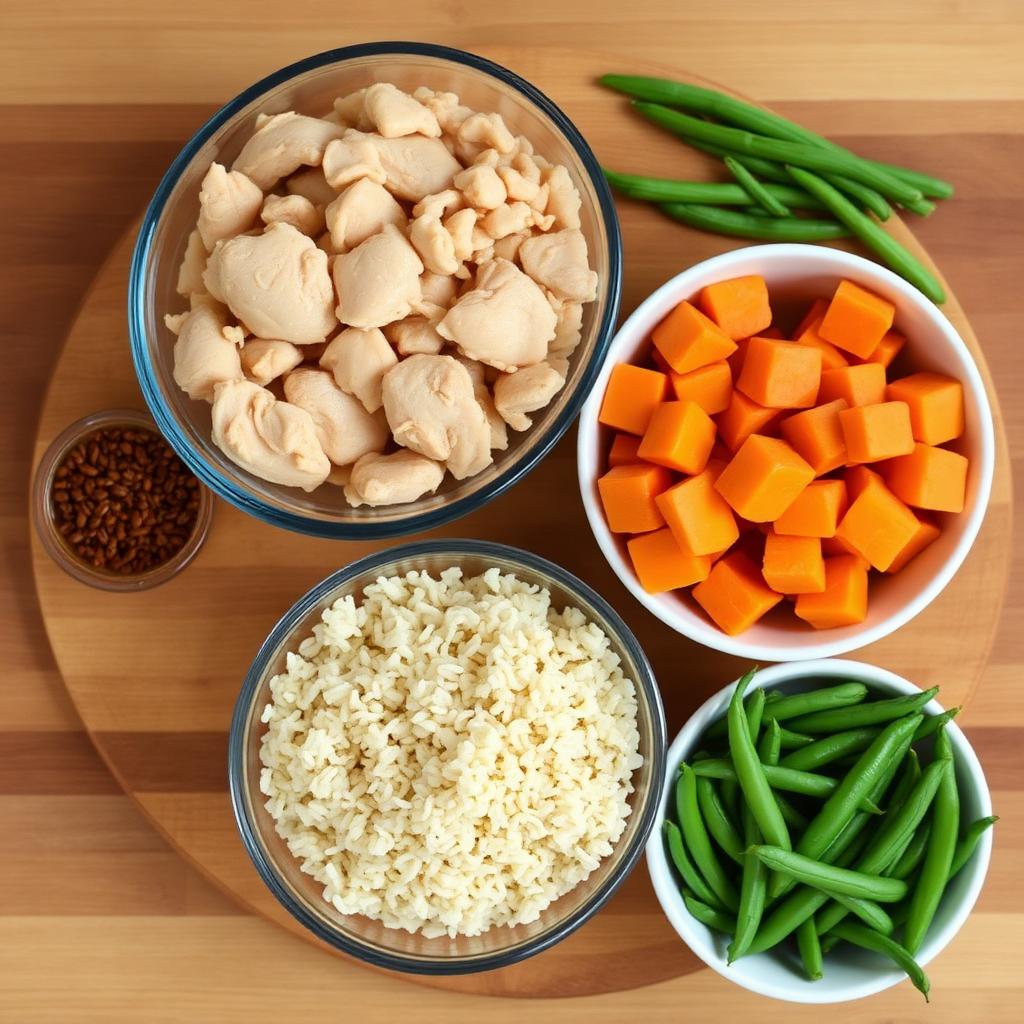
Ingredients for Chicken & Veggie Delight include: 2 cups cooked, shredded chicken (boneless, skinless, plain); 1 cup cooked sweet potato, mashed; 1/2 cup cooked green beans, finely chopped; 1/4 cup cooked carrots, finely chopped; 1 tablespoon fish oil (check with your vet for dosage); and a veterinary-approved canine multivitamin and mineral supplement (as directed by your vet). These ingredients provide a good mix of protein, complex carbs, and vegetables.
To prepare, combine all cooked ingredients in a large bowl. Mix thoroughly to ensure the supplement and fish oil are evenly distributed. Divide into appropriate portion sizes for your dog, based on their weight, activity level, and your vet's recommendations. Store leftovers in an airtight container in the refrigerator for up to 3-4 days, or freeze for longer storage. This recipe makes a nutritious and palatable meal your dog is sure to enjoy.
Safe Cooking and Preparation Tips for Canine Cuisine
When you're cooking for your dog, safety and hygiene are just as important as when you're preparing food for yourself. Raw meat and bones can pose serious health risks to dogs, including bacterial contamination and choking hazards. Always thoroughly cook all meats, poultry, and fish to kill any harmful bacteria like Salmonella or E. coli. Cook them to safe internal temperatures, just as you would for human consumption.
Avoid adding seasonings, salt, sugar, onions, garlic, or other human food additives. Many common human seasonings are toxic to dogs, and even small amounts can cause digestive upset or more severe problems. Stick to plain, unseasoned ingredients when preparing their meals. When cooking vegetables, lightly steam or boil them to make them easier to digest, and always chop them into small pieces to prevent choking.
Proper storage is essential to keep homemade dog food fresh and safe. Once prepared, cool the food completely before storing it in airtight containers. Refrigerate portions for up to 3-4 days or freeze them for up to a month. Thaw frozen meals in the refrigerator overnight before serving. Always discard any uneaten food after a few hours at room temperature to prevent bacterial growth. Clean all cooking utensils and surfaces thoroughly after each use to avoid cross-contamination. Practicing good kitchen hygiene protects both you and your pet.
Common Pitfalls to Avoid in Homemade Dog Food
While making homemade food for your dog is a loving gesture, there are common mistakes that can lead to health issues. One significant pitfall is not balancing the diet properly. Simply feeding your dog chicken and rice, while fine for a temporary upset stomach, is not nutritionally complete for the long term. Dogs need a precise balance of proteins, fats, carbohydrates, and a wide array of vitamins and minerals. Without these, they can develop deficiencies or excesses that harm their health.
Another mistake is including toxic ingredients. Many foods that are safe for humans are dangerous for dogs. This includes onions, garlic, chocolate, grapes, raisins, avocado, macadamia nuts, and xylitol (a common artificial sweetener). Always double-check before adding any new ingredient to your dog's dish. Even small amounts of these items can cause severe illness or be fatal. Educate yourself on what's safe and what's not.
Overestimating ingredient freshness and storage can also lead to problems. Just like human food, homemade dog food can spoil. Feeding spoiled food can cause digestive upset, vomiting, or diarrhea. Be diligent about storage times and methods, and when in doubt, throw it out. Lastly, remember that every dog is an individual. A diet that works for one dog might not be ideal for another due to age, breed, activity level, or underlying health conditions. Always consult with your vet or a veterinary nutritionist to tailor a diet specifically for your dog's unique needs. This personalized approach ensures optimal health and prevents common homemade diet errors.
Transitioning Your Dog to a Homemade Diet Smoothly
Switching your dog from commercial kibble to a homemade diet needs to be done gradually. A sudden change can upset their digestive system, leading to tummy troubles like diarrhea or vomiting. Slow and steady is the best approach to help your dog's gut adjust to the new foods. This usually takes about a week to ten days, but some sensitive dogs might need a bit longer.
Start by replacing a small portion of their regular food with the new homemade meal. For example, on the first day, substitute about 25% of their usual meal with the homemade food. Keep this ratio for a few days, observing your dog for any signs of digestive upset. If they are doing well, gradually increase the homemade food while decreasing the old food. You can bump it up to 50% homemade for a few days, then 75%, until they are fully on the new diet.
During this transition period, pay close attention to your dog's stool, appetite, and energy levels. Any significant changes, such as persistent diarrhea, vomiting, or a loss of appetite, mean you should slow down the transition or consult your veterinarian. They can offer advice or adjust the homemade recipe if needed. A smooth transition helps your dog truly enjoy their new, healthy homemade meals.
Don't worry if your dog is a bit picky at first. Some dogs are more cautious about new foods. You can try warming the homemade food slightly to enhance its aroma. Be patient and consistent, and your dog will likely adapt beautifully to their new culinary experience. Remember, the goal is a happy, healthy dog who thrives on their new diet.
Frequently Asked Questions
Q: Can I use raw meat in homemade dog food? A: No, it's generally not recommended. Raw meat can contain harmful bacteria like Salmonella or E. coli, which can make both your dog and you sick. Always cook meat thoroughly before feeding it to your dog.
Q: Do I need to add supplements to homemade dog food? A: Yes, absolutely. It's very difficult to achieve a completely balanced diet for dogs using only whole food ingredients. A veterinary-approved multivitamin and mineral supplement is crucial to ensure your dog gets all the necessary nutrients. Consult your veterinarian for the best supplement for your dog.
Q: How much homemade food should I feed my dog? A: The amount depends on your dog's age, weight, activity level, and metabolism. It's best to consult your veterinarian or a veterinary nutritionist to determine the appropriate portion sizes. They can help you calculate calorie needs and ensure your dog maintains a healthy weight.
Q: Are all fruits and vegetables safe for my dog? A: No, some fruits and vegetables are toxic to dogs. Avoid grapes, raisins, onions, garlic, avocado, and rhubarb. Always research or check with your vet before introducing new fruits or vegetables to ensure they are safe for canine consumption.
Q: How long can I store homemade dog food? A: Cooked homemade dog food can be stored in an airtight container in the refrigerator for 3-4 days. For longer storage, you can freeze it for up to a month. Thaw frozen portions in the refrigerator before serving.
Key Takeaways
Homemade dog food offers valuable control over ingredients, allowing you to tailor meals to your dog's specific needs and avoid harmful additives.
Always consult with your veterinarian or a veterinary nutritionist to ensure your homemade recipes are complete and nutritionally balanced.
Essential ingredients for a balanced diet include lean protein, complex carbohydrates, healthy fats, and a variety of safe fruits and vegetables.
Thoroughly cook all meats and avoid toxic ingredients like onions, garlic, grapes, and chocolate to ensure your dog's safety.
Follow proper food hygiene and storage practices to prevent bacterial contamination and keep meals fresh.
Transition your dog to a new homemade diet gradually over several days to avoid digestive upset and allow for smooth adjustment.
Conclusion
Embarking on the journey of homemade dog food can be a deeply rewarding experience for both you and your beloved pet. You gain peace of mind knowing exactly what your dog is eating, and they get to enjoy fresh, delicious, and tailored meals. Remember, the key to success lies in proper research, careful preparation, and most importantly, ongoing communication with your veterinarian. Their guidance is invaluable in creating a diet that's truly beneficial for your furry friend. By working together, you can ensure your dog receives all the necessary nutrients to live a vibrant, healthy, and long life.
So, go ahead and explore the world of vet-approved homemade dog food recipes. With a little effort and expert advice, you can become your dog's personal chef, crafting meals that promote their well-being and bring joy to their mealtime. Your dog will thank you with wagging tails and happy cuddles, proving that a little extra effort in their diet goes a long way. Happy cooking for your canine companion!