
Introduction
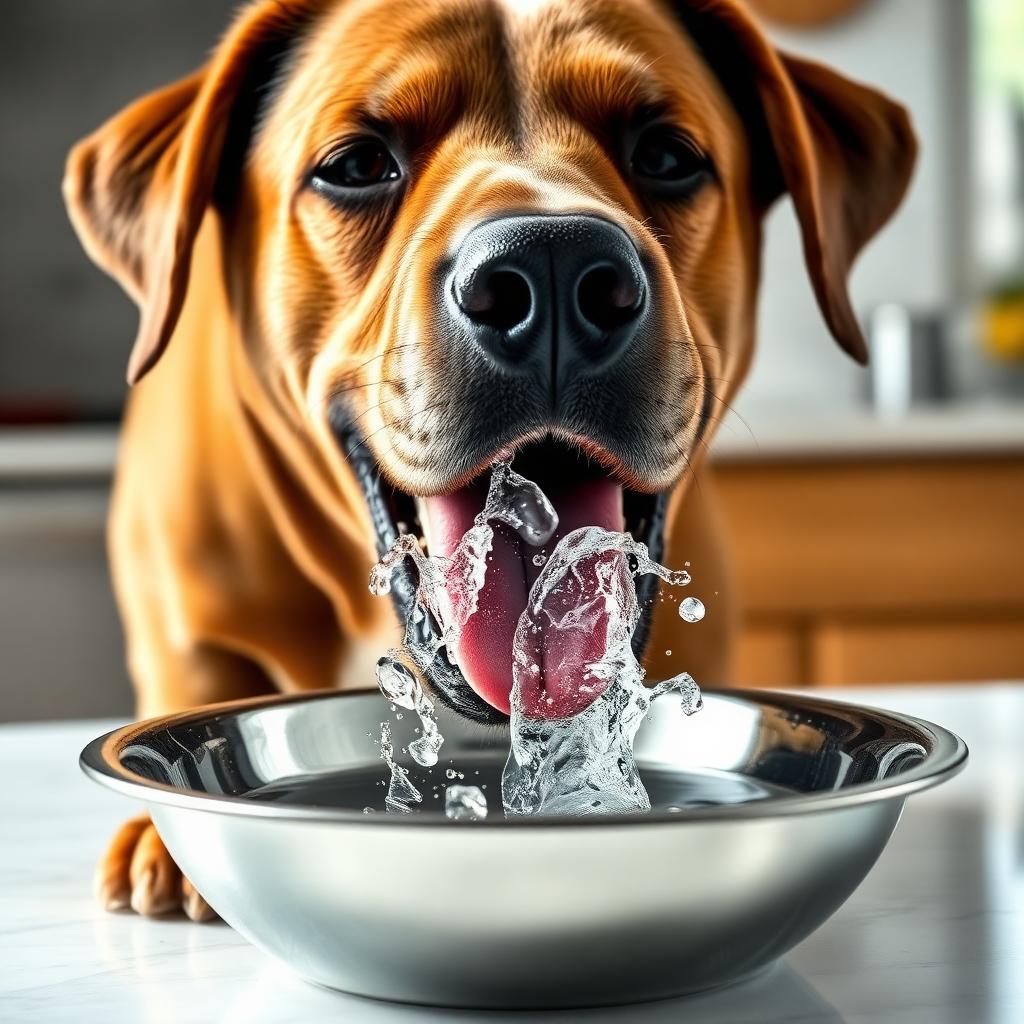
Keeping our furry friends happy and healthy is a top priority for all dog owners. Just like us, water is super important for their bodies to work properly. Many dog owners often wonder, "How much water should a dog drink every day?" The answer isn't always a simple one, as it can change based on many different things.
Understanding your dog's daily water intake is key to preventing health issues. From regulating body temperature to helping organs function, water plays a crucial role in almost every bodily process. We'll explore why water is so vital and how you can make sure your canine companion stays well-hydrated every single day.
The Golden Rule for Dog Hydration
A good general guideline for how much water a dog should drink is about one ounce of water per pound of body weight per day. So, if you have a 10-pound dog, they'd ideally drink around 10 ounces of water daily. A 50-pound dog would aim for 50 ounces, and so on.
However, remember this is just a starting point. Think of it as a helpful estimate. Factors such as your dog's size, age, activity level, and the weather can all influence their actual daily water needs. It's more important to observe your dog and look for specific signs of thirst or dehydration, which we will discuss later.
Factors That Influence Your Dog’s Water Needs
Several things can change how much water your dog really needs. Knowing these factors will help you adjust their water access and keep them healthy. It's not a one-size-fits-all situation when it comes to dog hydration.
Larger dogs naturally need more water than smaller dogs, simply because they have bigger bodies. Young puppies also drink more water per pound than adult dogs because they are still growing rapidly and have faster metabolisms. Similarly, senior dogs sometimes drink less, but their bodies still need proper hydration to function well.
Active dogs, like those who love to run, play fetch for hours, or participate in dog sports, will need significantly more water. Exercise makes them breathe faster and pant more, causing them to lose more fluids. On hot and humid days, your dog will also pant more to cool down, increasing their water loss. Always provide extra fresh water during warmer weather or after strenuous activity.
Your dog's diet also plays a role. If your dog eats wet food, they get a good amount of water from their meals. Dogs eating dry kibble will need to drink much more to stay hydrated, as kibble has very little moisture. Certain medications or health conditions, like kidney disease or diabetes, can also increase a dog's thirst and water intake. If you notice a sudden change in your dog's drinking habits, it's always best to talk to your vet.
Recognizing the Signs of Dehydration in Dogs
Spotting dehydration early is very important for your dog's health. While it's good to know how much water a dog should drink every day, it's even more important to recognize when they haven't had enough. Dehydration can lead to serious health problems if not addressed quickly.
One common sign is lethargy or a lack of energy; your normally playful dog might seem sluggish. Another sign is sunken, dull eyes. You can also check their gums: healthy gums are moist and slick, but dehydrated gums will be dry and sticky.
A simple skin elasticity test can also tell you a lot. Gently lift the skin between your dog's shoulder blades. On a well-hydrated dog, the skin should snap back into place almost immediately. If it's slow to return or stays tented, your dog might be dehydrated. Increased panting without exercise or dark, strong-smelling urine are also indicators that your dog needs more fluids. If you suspect severe dehydration, contact your veterinarian right away.
Effective Tips to Encourage Your Dog to Drink More Water
Sometimes, dogs just aren't big drinkers, or they might need a little extra encouragement. Luckily, there are many simple ways you can help your dog get enough water each day. Making hydration appealing can often solve the problem.
Always provide clean, fresh water. Dogs are often picky about their water, and stale or dirty water in a bowl might deter them. Change their water at least once a day, and wash their bowl regularly. You can also try adding ice cubes to their water bowl, especially on hot days; some dogs love to crunch on them, and it keeps the water cool and inviting.
Consider getting a pet fountain. Many dogs prefer moving water over still water, so a fountain can be a great way to encourage more drinking. The sound and sight of flowing water can be very enticing. You can also try adding a splash of low-sodium chicken or beef broth to their water to make it more flavorful, just be sure it contains no onion or garlic, which are toxic to dogs.
If your dog primarily eats dry kibble, try adding a little warm water to it to soften it up. This adds moisture to their diet and can also make their food more appetizing. Offering wet dog food or even mixing a small amount into their dry food can significantly increase their daily water intake. Always have water available in multiple spots around your house and ensure they have access to water when outdoors or traveling.
Making water time fun can also help. Some toys can be filled with water and frozen, providing a refreshing treat. Just be creative and observe what your dog responds to best when it comes to drinking.
Recognizing Excessive Thirst: When to Worry
While we want our dogs to drink enough water, sometimes they might drink too much. This is also something to pay attention to. An unusual increase in thirst, also known as polydipsia, can signal an underlying health issue.
If you notice your dog is suddenly drinking significantly more water than usual, or if they are frequently emptying their water bowl, it's a good idea to consult your veterinarian. This could be a symptom of conditions like diabetes, kidney disease, or Cushing's disease, among others. Your vet can perform tests to figure out what's causing the increased thirst and recommend the right treatment.
It's about finding the right balance. Too little water is dangerous, but an extreme increase in water intake can also be a red flag. Regular observation of your dog's habits is key to catching any potential problems early on and ensuring they receive proper care.
Hydration on the Go: Traveling and Outdoor Activities
Keeping your dog hydrated isn't just about what happens at home. When you're out and about, especially for adventures or long walks, their water needs can increase. Being prepared helps prevent dehydration, especially when they are more active or exposed to different environments.
Always carry fresh water for your dog when you leave the house. Portable dog water bottles with attached drinking cups or collapsible silicone bowls are excellent tools for this. Make frequent stops for water breaks, especially during playtime at the park or during hikes.
Never let your dog drink from puddles or stagnant water sources. These can contain harmful bacteria, parasites, or toxins that can make your dog sick. Always offer them the clean water you've brought for them. Planning ahead for water access when traveling or engaging in outdoor activities is just as important as planning for their food. It ensures their safety and well-being wherever you go.
Frequently Asked Questions
Q: Can my dog drink too much water? A: Yes, it's possible for dogs to drink too much water, especially if they have certain health conditions or engage in extreme play like gulping water from a hose for long periods. This can lead to a dangerous condition called water intoxication, where the body's electrolyte balance is disrupted. If your dog shows sudden excessive thirst, consult your vet.
Q: What if my dog refuses to drink water? A: If your dog refuses to drink, make sure the water is fresh and the bowl is clean. Try adding ice cubes or a tiny splash of low-sodium broth. A pet fountain might also entice them. If the refusal is new or accompanied by other symptoms like lethargy or loss of appetite, contact your veterinarian.
Q: Is bottled water better for my dog than tap water? A: For most dogs, tap water is perfectly fine and safe, as long as it's safe for humans to drink in your area. If you drink bottled water yourself due to concerns about tap water quality, then it's reasonable to offer that to your dog as well. The most important thing is that the water is clean and fresh, regardless of its source.
Q: How can I tell if my dog's urine indicates good hydration? A: A well-hydrated dog's urine should be light yellow, like straw, and clear. Dark yellow or orange urine can be a sign of dehydration and indicates your dog needs more fluids. If the urine is very clear and almost colorless, your dog might be overhydrated or has a medical condition, so it's always good to observe and consult your vet if you have concerns.
Q: Should puppies drink more water than adult dogs? A: Yes, puppies often need more water per pound of body weight than adult dogs. They are growing rapidly and have faster metabolisms. Always ensure puppies have constant access to fresh water throughout the day, as they can dehydrate more quickly than adult dogs.
Key Takeaways
Your dog's daily water intake is roughly one ounce per pound of body weight, but this is a flexible guideline.
Factors like age, size, activity level, weather, and diet significantly impact how much water your dog needs.
Watch for signs of dehydration such as lethargy, dry gums, sunken eyes, or slow skin elasticity.
Encourage water drinking by providing fresh, clean water, trying pet fountains, adding broth, or softening kibble.
Sudden excessive thirst can be a sign of underlying health issues; consult your vet if you notice this.
Always carry water for your dog during outdoor activities and travel to keep them safely hydrated.
Conclusion
Ensuring your dog is properly hydrated is a fundamental part of responsible pet ownership. Understanding how much water your dog should drink every day requires a blend of general guidelines and careful observation of your specific canine companion. Their unique needs will fluctuate based on many different factors, and being attentive to these changes helps maintain their health and happiness.
By providing constant access to fresh water, encouraging healthy drinking habits, and knowing the signs of both dehydration and excessive thirst, you're taking a big step in safeguarding your dog's well-being. A well-hydrated dog is a happy, healthy dog, ready for all the adventures life throws their way. Keep those water bowls full!